
Attic Fan Installation and Repair
On a summer afternoon, an attic can run 30 to 50 degrees hotter than the air outside. That heat pushes down through the ceiling, makes the air conditioner run longer, and bakes shingles from underneath. An attic fan pulls the hot air out and draws cooler outside air in through the soffit vents, lowering the temperature above your ceiling and taking some of the load off your cooling system.
Forefront Electric installs and replaces attic fans, including roof-mounted and gable-mounted powered attic ventilators and solar attic fans. That covers new installs, wiring thermostat and humidistat controls, and replacing fans that have stopped running or started grinding. An attic fan only helps when the attic has enough intake ventilation to feed it. We check that first, so the fan pulls outside air instead of the air you are paying to cool.
Contact Us
CALL 541-999-5375
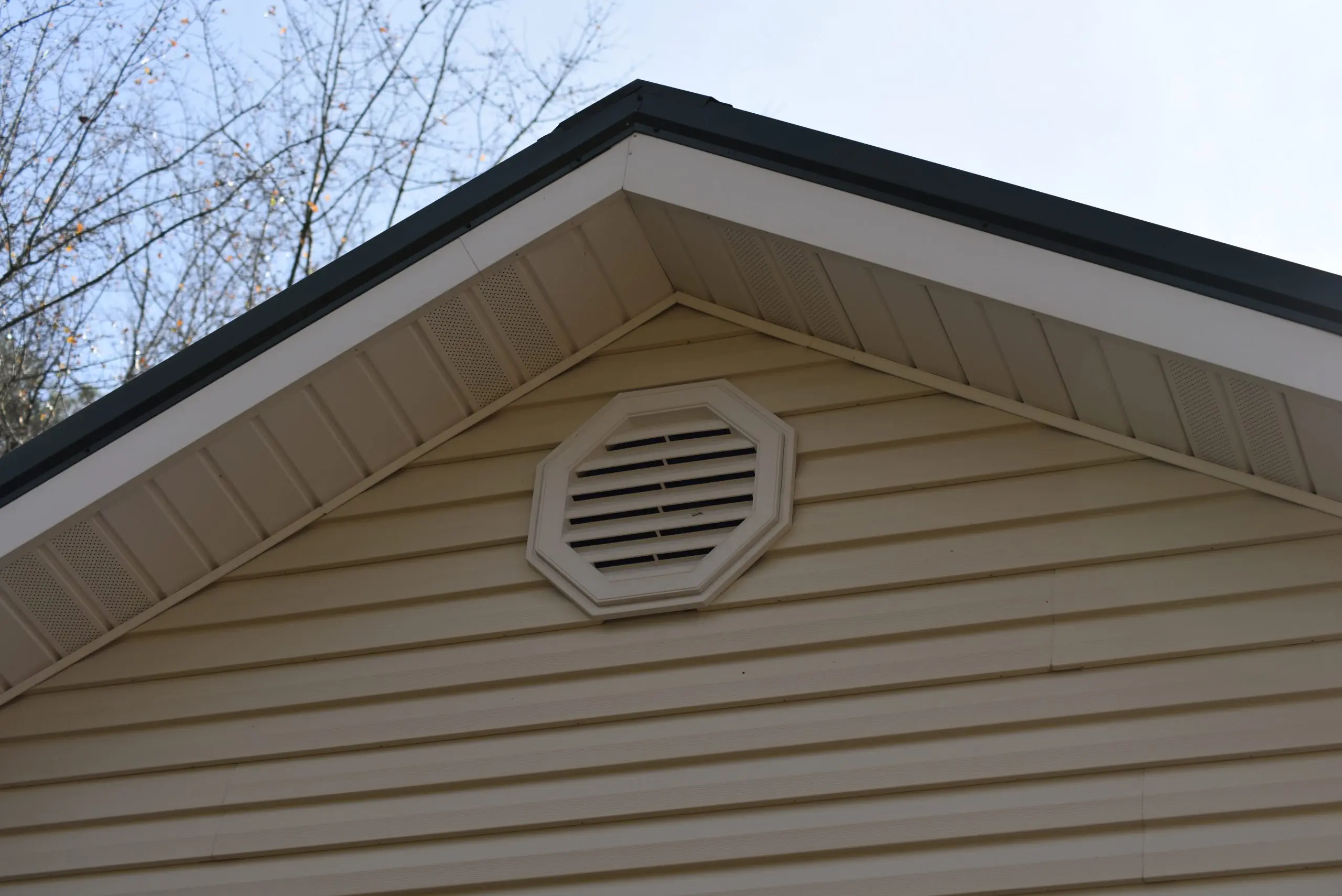
Attic Fan Installation, Sized to the Attic and Balanced With Intake Vents
Sizing starts with the attic floor. A common guideline is 0.7 CFM per square foot of attic floor space, with about 15 percent added for a dark roof, so a 1,500 square foot attic needs roughly 1,050 to 1,200 CFM. The fan also needs intake to match. Plan on about 1 square foot of net free soffit or gable vent area for every 300 CFM of fan capacity.
Gable-mount fans install in a wall opening with no roof cut. Roof-mount fans sit near the ridge and need flashing. Either way, we run the circuit, set the thermostat to switch on around 100 to 110 degrees, and install a firestat that shuts the fan down if attic temperature spikes.
Attic Fan Replacement When the Motor Stops
Attic fan motors work in the hottest part of the house, and they wear out. The common signs are a motor that hums but will not spin, a squeal or grind from dry bearings, a fan that runs day and night, or one that never kicks on during a heat wave. A fan stuck on usually means a failed thermostat. A fan that never starts may have a failed motor, a bad thermostat, or a tripped circuit.
Replacement is also the time to check what surrounds the fan. Rust on the housing, a torn screen, or water stains around the flashing point to more than a motor problem. Many models accept a replacement motor, while others are better replaced whole.
Attic Fan, Solar Attic Fan, or Whole House Fan? WHICH ONE FITS?
An attic fan and a whole house fan are different machines. An attic fan cools the attic only. A whole house fan mounts in the ceiling below the attic, pulls cool evening air in through open windows, and pushes it out through the attic vents.
Solar attic fans run off a built-in panel, need no house wiring, and cost nothing to operate, but they move less air and slow down on cloudy days. Hardwired fans move more air on a thermostat. A fan is not always the right answer. Attics with a ridge vent, poor air sealing, or a gas furnace or water heater nearby can pull conditioned air or exhaust gases, so we check before recommending one.
BOOK A LICENSED ELECTRICIAN FOR ATTIC FAN INSTALLATION
The quickest way to know whether your attic needs a new fan, a new motor, or more intake venting is to have someone stand in it on a warm day. That is where we start. We read the attic temperature, measure the vent area, test the fan and its thermostat, and then lay out what will bring the heat down above your ceiling, with a price attached.
Riley Gallagher founded Forefront Electric in 2019, and the company holds Oregon electrical license C1449 and CCB# 225612. Calls are answered around the clock, or send the form and we will reach out.
Contact Us
CALL 541-999-5375
Frequently Asked Questions
Why is my attic fan not turning on?
The most common causes are a failed thermostat, a burned-out motor, a tripped breaker, or a firestat that has shut the fan down after sensing high heat. Some firestats need a manual reset once tripped. A fan that hums without spinning points to a seized motor or a failed start capacitor. Testing the thermostat and the power at the fan narrows it down quickly, and the thermostat is often a cheaper fix than the motor.
Can you install an attic fan with a ridge vent?
Usually it is a poor pairing. A powered attic fan pulls air from the nearest opening, and with a ridge vent close by, it draws outside air in through the ridge and blows it straight back out, skipping the soffits and leaving most of the attic hot. Rain can also get pulled in through the ridge. Homes with a continuous ridge vent and good soffit intake are often better off with passive ventilation alone.
What temperature should an attic fan thermostat be set to?
Most attic fans are set to switch on between 100 and 110 degrees Fahrenheit and shut off once the attic cools about 10 to 15 degrees below that. Setting it lower makes the fan run for hours with little benefit. A humidistat control adds a second trigger, running the fan when attic humidity climbs in cooler months, which helps limit condensation on the underside of the roof deck.
How long does an attic fan last?
What Your Neighbors Are Saying About Us

Areas We Serve

Albany
Cottage Grove
Creswell
Eugene
Junction City
Springfield