
Smoke & carbon monoxide Detector installation and repair
A smoke and carbon monoxide detector has one job: wake everyone up before a fire or a gas leak reaches them. Most homes have both, but many are past their replacement date, mounted in the wrong spot, or not connected to each other. A detector in the hallway does little good if the bedroom door is shut and nobody hears it.
Forefront Electric installs, replaces, and repairs hardwired smoke detectors and carbon monoxide detectors, including interconnected systems where one alarm sets off every alarm in the house. That covers new installs, replacing aging units, adding coverage to bedrooms and basements, and tracking down alarms that beep, chirp, or go off for no reason. Every alarm we install is placed to meet NFPA 72 and the residential code, then tested as a full system before we leave.
Contact Us
CALL 541-999-5375
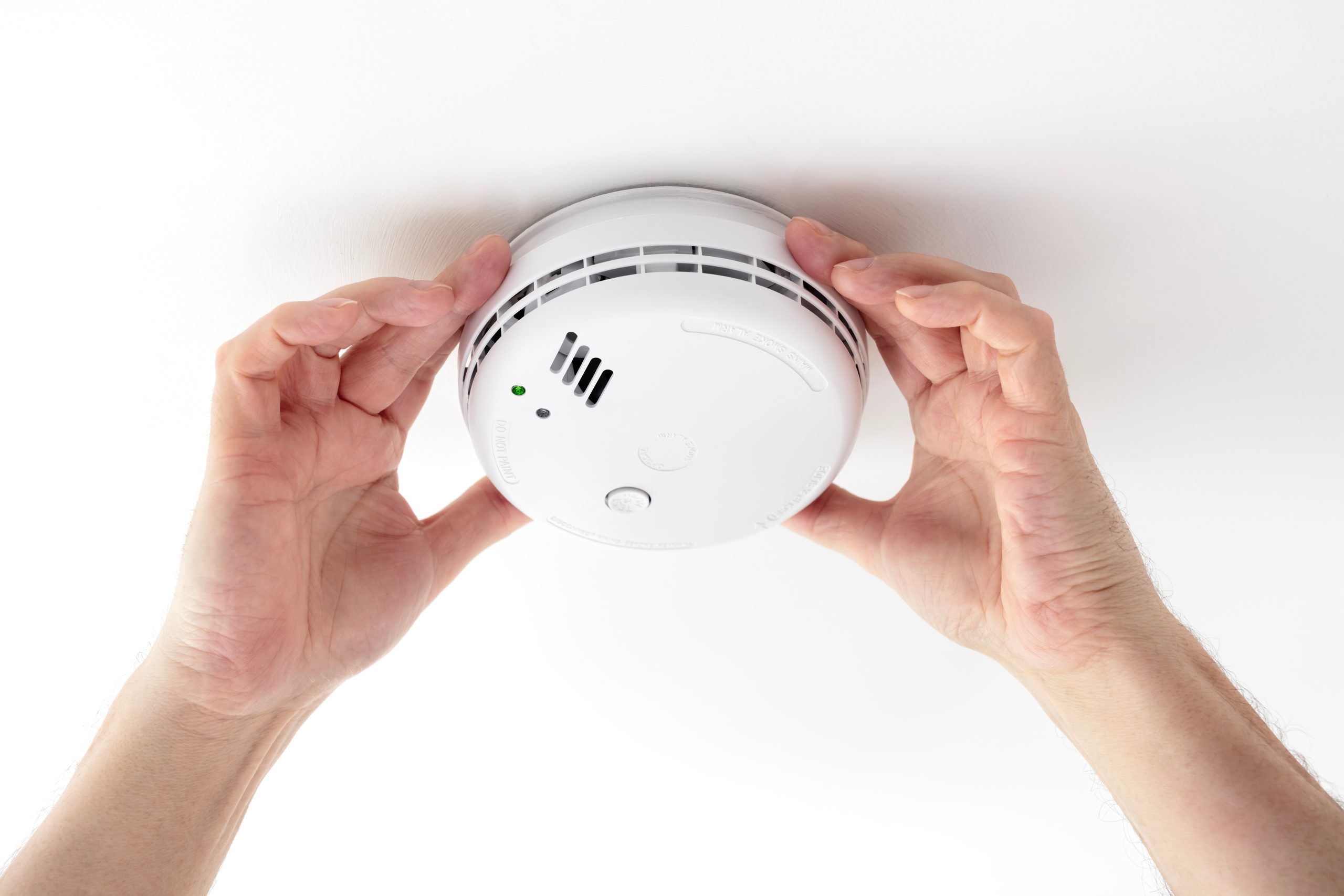
HARDWIRED SMOKE DETECTOR INSTALLATION, REPLACEMENT AND REPAIR
Smoke alarms belong inside every bedroom, outside each sleeping area, and on every level of the home, including the basement. That is the placement NFPA 72 calls for. A hardwired smoke detector runs on 120V house power with a battery backup, and interconnected units sound together, so an alarm in the basement wakes someone upstairs.
Smoke detectors should be replaced every 10 years, and the manufacture date is printed on the back. Past that point the sensor loses sensitivity even if the test button still works. A smoke detector blinking red about once a minute is normal and means the unit has power. Smoke detector repair usually means fixing the wiring or the interconnect, since a failed alarm is replaced, not rebuilt.

Carbon Monoxide Detector Installation for Homes With Gas or a Garage
Carbon monoxide has no smell, color, or taste, and a detector is the only way to know it is there. Any home with a gas furnace, water heater, range, fireplace, or attached garage has a CO source. The residential code (IRC R315) requires carbon monoxide alarms outside each sleeping area in those homes, and NFPA recommends one on every level.
A combination carbon monoxide and smoke detector covers both hazards in one device, which cuts down on ceiling clutter and wiring. CO sensors wear out sooner than smoke sensors, with most rated for 7 to 10 years. We replace expired units, add coverage where it is missing, and install alarms carrying a UL 2034 listing.
Photoelectric vs. Smart Smoke Detectors
A photoelectric smoke detector reacts faster to slow, smoldering fires, the kind that start in upholstery or wiring and fill a room with smoke before flames show. It also causes fewer false alarms near kitchens. Ionization alarms react faster to fast, flaming fires, and dual-sensor models carry both.
A smart smoke detector sends alerts to your phone when you are away. A First Alert smoke detector comes in hardwired, battery, and smart models. What people call a Ring smoke detector is usually the Ring Smoke and CO Listener, which hears your existing alarms and relays the alert. When replacing interconnected alarms, match the brand, since most systems will not talk across manufacturers.
SMOKE DETECTOR CHIRPING? BOOK a licensed electrician
If your smoke detector keeps beeping after a battery change, your alarms are past their date, or bedrooms and basements have no coverage, give us a call. We will check the age, placement, and wiring of what you have, tell you what needs repair or replacement, and give you the cost before any work starts.
Forefront Electric is licensed in Oregon under electrical license C1449 and CCB# 225612, and answers the phone 24/7.
Contact Us
CALL 541-999-5375
Frequently Asked Questions
Why is my smoke detector blinking red?
A red light blinking about once a minute is normal on most smoke detectors and means the unit has power and is monitoring. A fast, steady red flash usually marks the alarm that set off an interconnected system, or one that recently sensed smoke, which lets you find the unit that started it. A red blink paired with a chirp points to a low battery or a unit at end of life. Patterns vary by brand, so the label on the back of the alarm is the final word.
How often should smoke and carbon monoxide detectors be replaced?
Replace smoke detectors every 10 years, per NFPA 72, and carbon monoxide detectors every 7 to 10 years depending on the manufacturer. A combination carbon monoxide and smoke detector follows the shorter CO schedule, since the CO sensor wears out first. The manufacture or expiration date is printed on the back of every unit. Test alarms monthly, and replace any that fail the test, regardless of age.
Can a smart smoke detector replace a hardwired smoke detector?
Yes, as long as the smart model is a hardwired version built for 120V house power with battery backup. Swapping a hardwired alarm for a battery-only smart unit removes the backup power and the interconnect that code requires in many homes. Smart and standard alarms from different brands usually will not interconnect, so replacing one unit often means replacing the set. If you want phone alerts without changing alarms, a listener device such as the Ring Smoke and CO Listener hears your existing alarms and sends the alert.
Why is my smoke detector beeping?
What Your Neighbors Are Saying About Us

Areas We Serve

Albany
Cottage Grove
Creswell
Eugene
Junction City
Springfield