
Light Switch Installation and Repair
A light switch gets flipped thousands of times a year, and it works so quietly that nobody thinks about it until something changes. The switch feels warm. It buzzes, sparks, or crackles. The lights flicker, or they stop coming on at all. Each of those points to something specific inside the box, whether it is a worn switch, a loose connection, or a dimmer that does not match the bulbs it controls.
Forefront Electric installs and repairs light switches in homes and businesses. That covers standard single-pole switches, 3-way and 4-way circuits, dimmer switches matched to LED lighting, smart switches, and motion sensor controls. We find out what is causing the problem before replacing anything, so the new switch is not wired onto the same fault.
Contact Us
CALL 541-999-5375
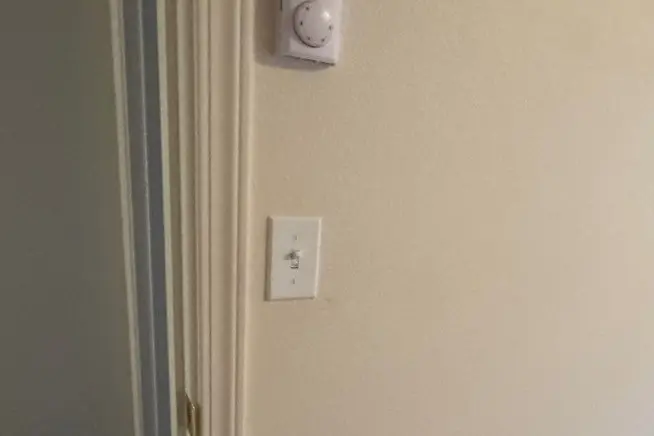
Light Switch Installation for Dimmers, Smart Switches, and 3-Way Circuits
Most switch upgrades start with what is already in the box. Smart switches need a neutral wire, and NEC 404.2(C) has required a neutral at most switch locations since 2011, so older homes often need one run before a smart switch will work. Switches also have to be grounded under NEC 404.9(B).
A 3-way switch controls a light from two locations, like the top and bottom of a staircase, and a 4-way switch adds a third location between them. Those circuits use traveler wires between switches, and a miswire is why a light only works from one end. We also install timer switches, lighted switches, and vacancy sensors for closets, garages, and laundry rooms.
Light Switch Repair When a Switch Feels Warm or Sparks
A warm dimmer is normal. A warm standard switch is not. Heat, buzzing, crackling, or a burning smell at a regular switch usually points to a loose connection arcing inside the box, often a backstab connection that has worked loose over years of use. A spark you can see around the faceplate when flipping the switch points to the same problem.
Other repairs are simpler. A switch that feels loose or spongy has worn contacts. A switch that no longer turns the light on may have failed, or the fault may sit in the fixture or the circuit. Homes with aluminum branch wiring need switches rated CO/ALR. We test the circuit before replacing the device.
Which Light Switch Do You Need? Dimmer, Smart, or Motion Sensor
Match the dimmer to the bulb. Most flicker and buzzing complaints come from an old incandescent dimmer controlling LED bulbs. LED lighting works best on dimmers rated for LED loads, often labeled CL or listed as trailing-edge (ELV). Check the minimum load too, since a single low-wattage LED can fall below it.
Smart switches suit anyone who wants schedules, voice control, or phone access, as long as the box has a neutral. Motion and occupancy sensors fit spaces where lights get left on. Rating matters as well: a switch on a 20-amp circuit should be rated for 20 amps. When several dimmers share one box, their wattage ratings drop once the side fins are removed.
BOOK A LICENSED ELECTRICIAN FOR LIGHT SWITCH REPAIR
If a switch in your home feels warm, buzzes, sparks, or stopped working, give us a call. The same goes for a dimmer that makes your LED lights flicker or a spot where you want to add a smart switch. We will open the box, find out what is going on, and give you the cost before any work starts. Call us or fill the form to get your light switch repaired or installed.
Contact Us
CALL 541-999-5375
Frequently Asked Questions
Is it normal for a light switch to spark?
A tiny blue flash inside the switch when you flip it is normal, since a small arc forms every time the contacts open or close. Sparks you can see around the faceplate, a popping or sizzling sound, scorch marks, or a burning smell are not normal. Those point to a loose connection, a worn switch, or a backstab connection arcing inside the box. Turn the circuit off at the breaker and have the switch checked before using it again.
Why does my light switch feel warm?
A warm dimmer switch is normal, because dimmers shed heat as they control the light. A standard on/off switch should never feel warm. Heat at a regular switch usually means a loose connection, a switch that is wearing out, or a load heavier than the switch is rated for. If the switch feels hot rather than warm, or the faceplate is discolored, turn off the breaker and have it inspected.
Why do my LED lights flicker when dimmed?
The most common cause is an older dimmer designed for incandescent bulbs controlling LED lights. LEDs draw far less power, which can drop the load below the dimmer's minimum and cause flicker, buzzing, or lights that will not fully turn off. The fix is an LED-rated dimmer, often labeled CL or trailing-edge (ELV), paired with dimmable LED bulbs. Mixing bulb brands on one dimmer can cause flicker as well.
Can I install a smart switch without a neutral wire?
What Your Neighbors Are Saying About Us
Areas We Serve

Albany
Cottage Grove
Creswell
Eugene
Junction City
Springfield